
Running a clinic involves much more than diagnosing and treating patients. From managing appointments and handling phone calls to maintaining patient schedules and reducing waiting times, everyday administrative tasks can take up a significant amount of time for doctors and clinic staff.
As patient expectations continue to change, convenience and efficient service have become important parts of healthcare. An online appointment booking system can help clinics simplify their daily operations, manage patient visits more effectively, and create a smoother experience for both patients and healthcare professionals.
What Is an Appointment Booking System for Clinics?
An appointment booking system is a digital solution that allows patients to schedule clinic visits without depending entirely on phone calls or in-person requests.
Instead of calling the clinic during working hours, patients can check available time slots and book appointments online. Clinic staff can manage the appointment calendar, view upcoming consultations, update schedules, and keep track of patient visits from a single platform.
Depending on its features, the system may also provide appointment confirmations, automated reminders, cancellation options, and patient appointment history.
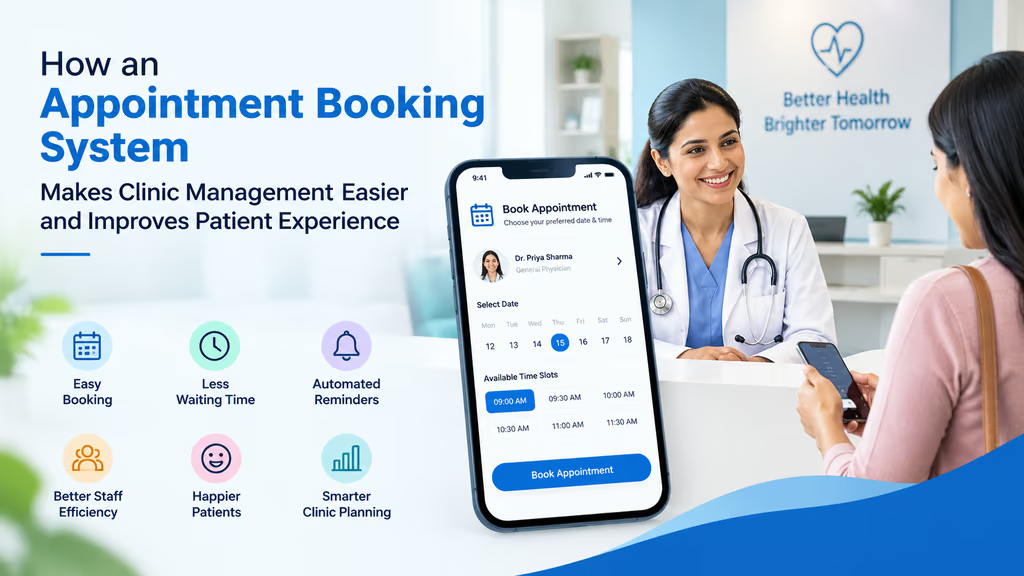
7 Important Benefits of an Appointment Booking System for Clinics
1. Saves Time for Doctors and Reception Staff
Receptionists often spend a considerable amount of time answering calls, checking available slots, confirming appointments, and handling rescheduling requests.
An online booking system reduces much of this repetitive work. Patients can select available time slots themselves, while reception staff can focus on welcoming patients, managing clinic operations, and assisting people who need additional support.
For doctors, better appointment organization means less time dealing with scheduling issues and more time dedicated to patient care.
2. Reduces Patient Waiting Time
Long waiting times can create frustration for patients, particularly those visiting a clinic with busy schedules or recurring healthcare needs.
An appointment booking system helps clinics organize consultations into scheduled time slots. Staff can view the daily appointment list and plan patient visits more efficiently.
Although unexpected emergencies and consultation delays can still occur, a well-managed appointment schedule can help reduce unnecessary crowding and improve the overall patient experience.
3. Allows Patients to Book Appointments Anytime
Patients may need to schedule a consultation outside regular clinic hours. They might remember to book an appointment late at night, during a lunch break, or over the weekend.
An online booking system allows patients to view available slots and request or confirm appointments at their convenience, depending on the clinic’s settings.
This flexibility is especially useful for working professionals, parents, elderly patients assisted by family members, and people with busy daily routines.
4. Helps Reduce Missed Appointments
Missed appointments can affect a clinic’s daily schedule and prevent other patients from using those time slots.
Automated appointment reminders through SMS, email, or messaging services can help patients remember their upcoming visits.
Some systems also allow patients to reschedule or cancel appointments in advance. This gives clinic staff an opportunity to make the vacant slot available to another patient.
5. Makes Daily Schedule Management Easier
Managing appointments using paper registers, phone records, or multiple spreadsheets can become difficult as a clinic grows.
A digital appointment calendar provides a centralized view of scheduled consultations. Staff can quickly check:
- Today’s appointments and upcoming consultations
- Available and booked time slots
- Patient appointment details
- Cancelled and rescheduled visits
- Daily appointment schedules for different doctors
This organized approach can make it easier to handle busy clinic hours and avoid scheduling conflicts.
6. Improves the Patient Experience
A patient’s experience begins before they enter the clinic. Difficulty getting through on the phone, uncertainty about availability, and repeated scheduling calls can make the process inconvenient.
Online appointment booking offers a simpler way to access clinic services. Patients can select suitable appointment times, receive booking confirmations, and get reminders without repeatedly contacting the reception desk.
A smooth booking process can help build trust and encourage patients to maintain regular consultations and follow-up visits.
7. Supports Better Clinic Planning
Appointment records can provide useful information about patient visits and clinic activity.
Depending on the system, clinic owners and administrators may be able to review:
- Daily, weekly, and monthly appointment volumes
- Peak consultation hours
- Doctor-wise appointment schedules
- Appointment cancellations and missed visits
- Patient follow-up patterns
These insights can help clinics understand their workload, organize staff schedules, and plan their operations based on actual demand.
How an Appointment Booking System Works
A typical online appointment booking process is straightforward for both patients and clinic staff.
Step 1: Patients access the booking page
Patients visit the clinic’s website or appointment booking page using a mobile phone, tablet, or computer.
Step 2: They select a doctor or service
If the clinic has multiple doctors or healthcare services, patients can choose the appropriate doctor, specialist, or consultation type.
Step 3: They check available time slots
The booking system displays available dates and times based on the clinic’s appointment schedule.
Step 4: They enter their details
Patients provide the required information, such as their name, contact number, and relevant booking details.
Step 5: The appointment is confirmed
After the booking is submitted or approved, the patient receives a confirmation according to the clinic’s booking settings.
Step 6: The clinic manages the appointment
The appointment appears in the clinic’s management dashboard or calendar. Staff can review the schedule, prepare for consultations, and manage any changes.
Step 7: Patients receive reminders
If reminder functionality is enabled, patients can receive notifications before their scheduled appointments.
Why Appointment Booking Is Useful for Different Types of Clinics
An appointment booking system can support different healthcare settings, each with its own scheduling requirements.
- General physician clinics: Organize daily consultations, follow-up visits, and routine health checkups.
- Dental clinics: Schedule dental examinations, cleaning sessions, treatments, and repeat visits.
- Physiotherapy clinics: Manage recurring therapy sessions and appointments with different therapists.
- Pediatric clinics: Help parents schedule child health consultations and routine checkups.
- Dermatology clinics: Organize skin consultations, treatment sessions, and follow-up appointments.
- Multispeciality clinics: Coordinate appointments across multiple doctors, departments, and consultation types.
A suitable system can be configured according to the clinic’s size, patient volume, and working arrangements.
What Features Should Clinics Look for in an Appointment Booking System?
Not every clinic needs a complex software platform. The right features depend on how the clinic operates and what patients expect.
Some useful features to consider include:
- Online appointment booking: Patients can book visits without making repeated phone calls.
- Doctor-wise scheduling: Manage individual calendars for clinics with multiple doctors.
- Automated reminders: Send appointment notifications to help patients remember their visits.
- Easy rescheduling and cancellation: Make it simpler to manage changes in patient availability.
- Mobile-friendly booking: Allow patients to book appointments from smartphones.
- Appointment dashboard: View daily schedules, upcoming consultations, and available slots in one place.
- Patient information management: Keep necessary patient and appointment records organized with appropriate privacy controls.
- Website integration: Make appointment booking accessible directly from the clinic’s website.
- Access control and data security: Protect patient information by providing appropriate staff permissions and secure data handling.
Before selecting a system, clinics should also consider its ease of use, ongoing costs, technical support, and ability to accommodate future growth.
The Role of Digital Appointment Booking in Modern Healthcare
Digital tools are gradually changing how healthcare services are organized and accessed. Patients increasingly use online services for everyday activities, and appointment scheduling is one area where digital convenience can make a practical difference.
For clinics, an appointment booking system is not simply a way to accept bookings online. It can become an important part of daily administration by connecting patient scheduling, staff coordination, and appointment communication.
However, technology works best when combined with good clinic processes. Clear consultation timings, realistic appointment durations, proper handling of urgent cases, and personal assistance for patients who are not comfortable with digital tools remain essential.
Conclusion
Managing appointments efficiently is an important part of running a successful clinic. Frequent phone calls, scheduling conflicts, missed appointments, and long waiting times can affect both clinic operations and patient satisfaction.
An appointment booking system helps address these everyday challenges by making scheduling more organized, reducing repetitive administrative work, and giving patients a convenient way to book consultations.
Whether it is a small doctor’s practice, a dental clinic, a physiotherapy center, or a multispeciality healthcare facility, adopting a suitable appointment booking process can make everyday clinic management easier while allowing healthcare professionals to focus more on what matters most: patient care.